

Stop posting updates that nobody sees. Learn the system used by top projects to build hype, attract players, and get industry attention.
Why Most Devlogs Fail
Many developers treat devlogs like personal journals:
- “Added inventory system”
- “Fixed some bugs”
- “Working on UI today”
Players scroll past. Publishers don’t notice.
Devlogs aren’t documentation they’re marketing and trust-building assets.
What Players Actually Want
Players don’t care about your process. They care about what’s fun, unique, and engaging.
Your devlog should answer instantly:
“Why should I care about this game?”
Focus on:
- Game feel — movement, combat, feedback
- Unique mechanics — what makes your game stand out
- Visual content — GIFs, clips, screenshots
💡 Tip: If your devlog doesn’t include visuals, it’s already underperforming.
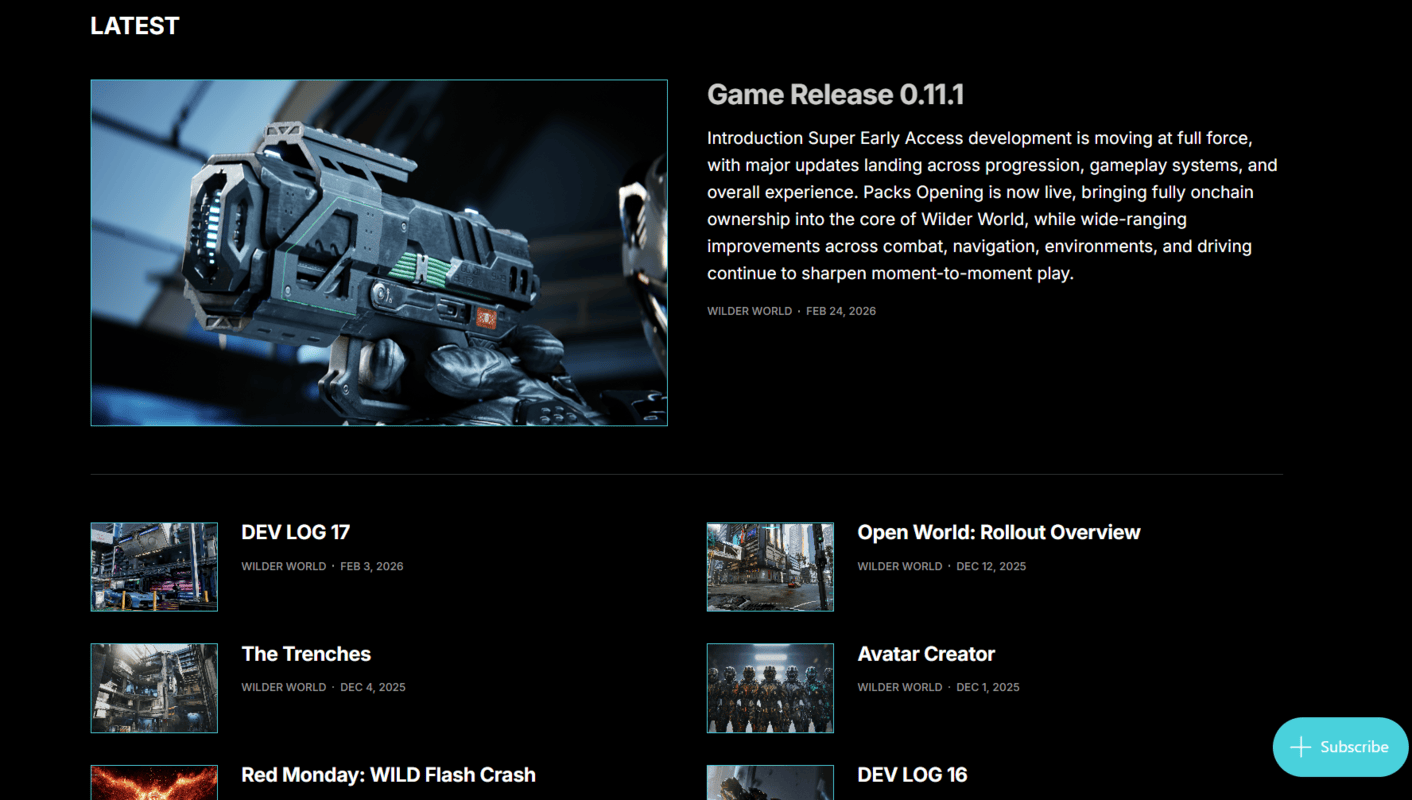
What Publishers & Investors Look For
Publishers aren’t chasing ideas they chase signals. A devlog signals:
- Consistent progress
- Real audience interest (shares, comments, wishlists)
- Market fit and clear genre positioning
Frequent updates, clear milestones, and visible progress create trust and industry visibility.
Devlogs That Work
Top projects keep players and publishers hooked by:
- Consistent posting: every few days, with clear dates and versioning
- Structured updates: milestone summaries, visuals, and short explanations
- Progress-focused narrative: before/after, new features, problem → solution → result
Need a devlog up fast? At 42zero.org, we’ll help you get started so you can focus on your game.