Tesla Optimus Just Took the First Steps Toward a Martian Future
Tesla Optimus isn’t just a robot it’s humanity’s first Martian worker. From building habitats to maintaining life-support systems in a planet where humans can’t survive.
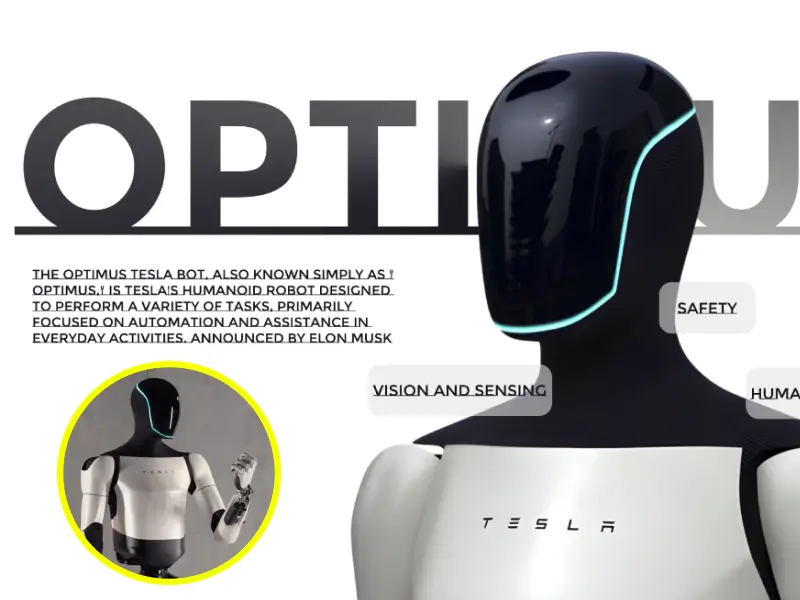
A Robot Built for the Impossible
Tesla Optimus is no ordinary robot. Standing over 1.7 meters tall and equipped with dexterous hands, it’s designed to perform repetitive, dangerous, or physically demanding tasks. On Mars, where human survival depends on careful resource management, Optimus could assemble habitats, maintain life-support systems, and even handle experiments all while keeping humans out of harm’s way.
Why Mars Needs Optimus
The Martian environment is brutally unforgiving. With temperatures plummeting below -100°C, radiation exposure, and dust storms that can last for weeks, humans face enormous risks. Optimus doesn’t sleep, doesn’t panic, and doesn’t get sick. It could become the ultimate worker, preparing the planet for eventual human colonization.
The Big Question: Can Robots Really Build a Colony?
Critics are skeptical. Mars is unlike any factory floor Tesla has seen. The terrain is unpredictable, communication delays with Earth are significant, and robot autonomy must be near-perfect. But with AI advancing at lightning speed, Tesla Optimus could surprise us all. Imagine a robot navigating the Martian surface, fixing solar panels during a storm, or assembling a greenhouse to grow the first alien vegetables.
What This Means for Humanity
If Optimus succeeds, it’s more than a technological milestone it’s a paradigm shift. Robots could pave the way for humans to live on Mars safely. And the lessons learned? They’ll transform life on Earth too, from disaster relief to industrial automation.
Tesla Optimus on Mars isn’t just a headline it’s the beginning of a new era where AI and robotics redefine humanity’s reach in the solar system.