

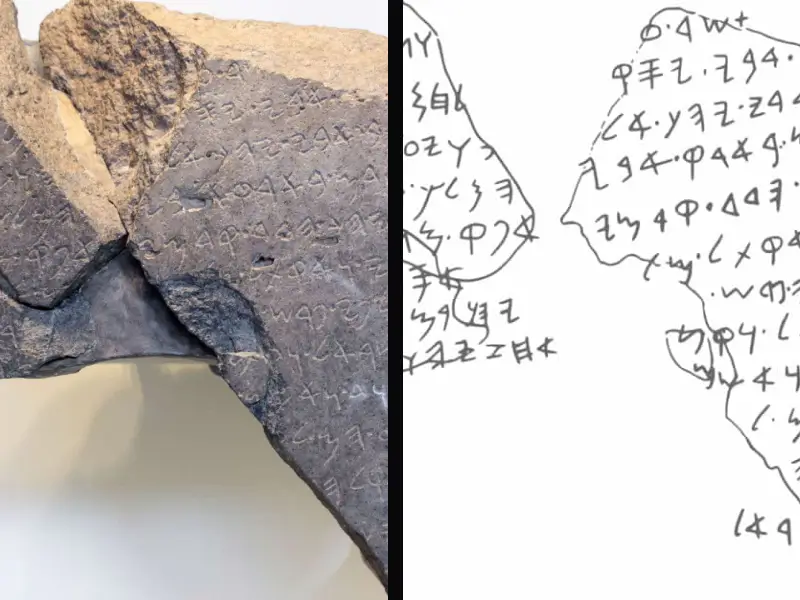
The stele known as the Tel Dan Stele is one of the most important archaeological discoveries linked to ancient Israel. Unearthed in northern Israel, this fragmented stone inscription provides rare, non-biblical confirmation of historical figures mentioned in the Hebrew Bible, sparking decades of scholarly debate and reinterpretation.
Carved in Aramaic and dated to the 9th century BCE, the stele has become a cornerstone artifact for historians studying early Near Eastern kingdoms.
What Is the Tel Dan Stele
The Tel Dan Stele is a basalt monument inscribed with a royal victory text, likely commissioned by an Aramean king after defeating neighboring rivals. Though found in fragments, the inscription preserves key historical references that reshaped academic understanding of the region.
Why the Stele Matters to History
This stele is significant because it offers the earliest known extra-biblical reference to the “House of David.” Its existence supports the idea that a Davidic dynasty was recognized by Israel’s enemies, adding archaeological weight to historical debates long dominated by textual sources alone.
Key Details Found on the Stele
The inscription describes military campaigns, defeated kings, and divine favor. Linguistic analysis shows formal royal propaganda, while its placement suggests it once stood publicly as a political statement rather than a private record.
Stele Inscriptions and Ancient Power Displays
Across the ancient Near East, steles functioned as tools of authority and memory. Like Mesopotamian and Egyptian examples, the Tel Dan Stele reflects how rulers used stone monuments to legitimize power, intimidate rivals, and shape historical narratives.
How the Discovery Changed Biblical Archaeology
Before this find, references to King David outside religious texts were absent. The stele pushed biblical archaeology into a more evidence-driven era, encouraging renewed excavation, epigraphic study, and cautious reassessment of early Israelite history.
The Tel Dan Stele remains a rare bridge between archaeology and ancient tradition. As new discoveries continue to emerge, this stele stands as a reminder that even fragmented stones can profoundly reshape our understanding of the past.
Tags: archaeology, ancient-israel, stele, biblical-history, middle-east