


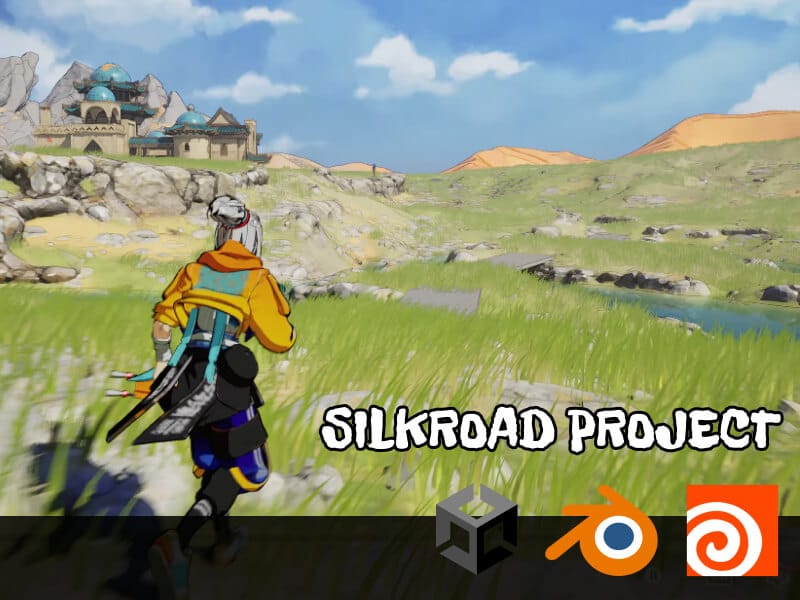
Guedin is a solo developer aiming for what most think impossible: a game that looks like it was made by an entire studio. Tools help, but one stands above the rest Houdini.
The Tool That Makes Studio-Quality Possible
Asset marketplaces save time, but they’re inconsistent. Handmade assets are slow. Houdini bridges the gap, letting Guedin procedurally generate terrains, rocks, grass, and complex environments while maintaining artistic control.
It’s all about efficiency: instead of placing every rock by hand, Houdini uses rules to scatter assets naturally, simulate erosion, and layer terrain features like debris, sediment, cliffs, and water all automatically.
Workflow Breakdown
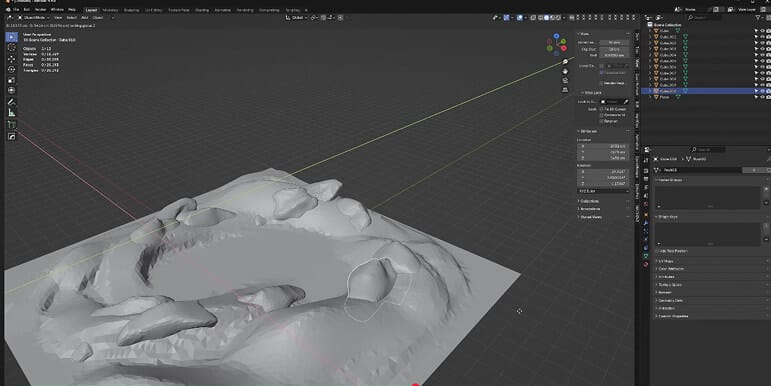
- Blockout in Blender: Basic terrain and rock shapes are sculpted manually. Control over mountains, valleys, and composition is essential.
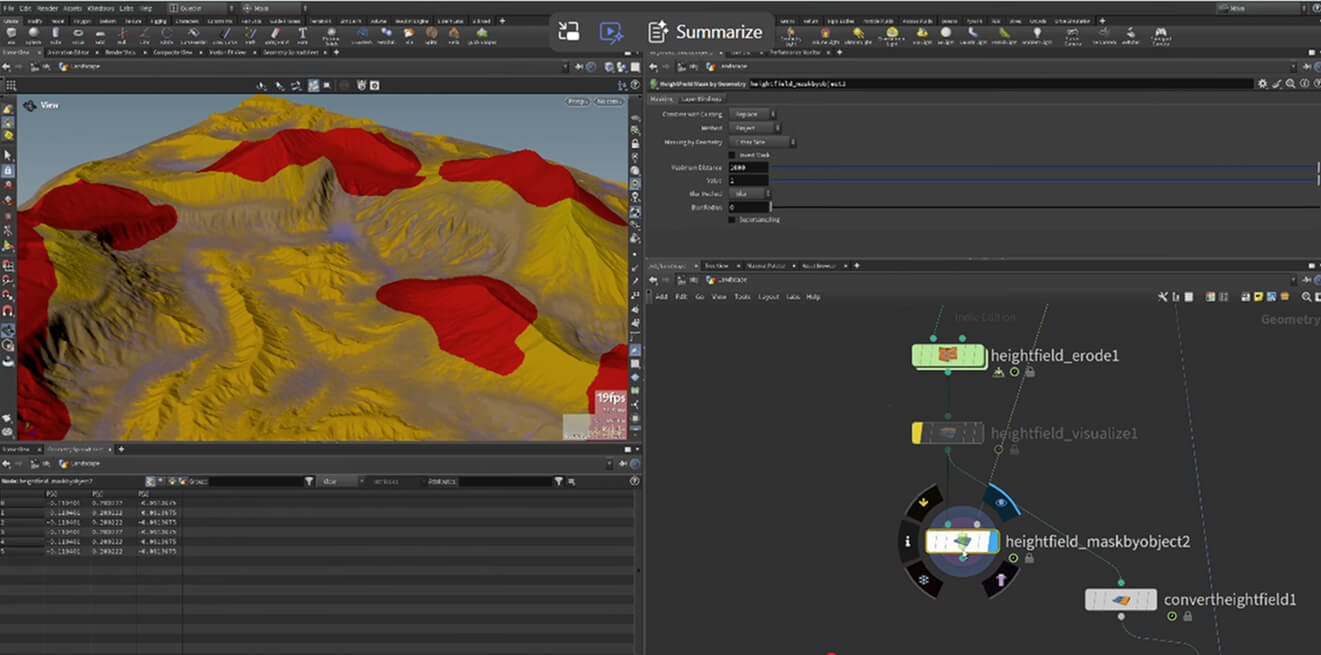
- Import to Houdini: Blocky terrain is refined with noise, distortion, and erosion simulations. Thousands of years of wind and rain are generated in seconds.
- Procedural Assets: Rocks are fractured, grass clusters react to wind, and terrain layers are created for Unreal Engine debris, sediment, water, cliffs.
- Optimized Export: Houdini outputs a fully layered Unreal landscape. Static meshes, foliage instances, and materials are prepped, saving hours of manual work.
The results are fast, flexible, and scalable. Change a mountain here, adjust a cliff there Houdini regenerates the entire environment instantly. What would take a studio days can now happen in minutes.
The World So Far
- Guesthouse Hub: Central player area.
- Grassland Biome: Shallow rivers, dense foliage.
- Desert Biome: Sand dunes with natural wind patterns.
- Mountain Biome: Erosion-driven, surreal fantasy look.
Houdini isn’t just a tool it’s a creative engine. For solo devs aiming for studio-quality, procedural workflows like Guedin’s aren’t optional they’re essential.