Skateboarding in Your 30s: Why Getting Back on the Board Feels Better
Skateboarding in your 30s offers balance, perspective, and fun without pressure. Here’s why returning to the board later in life makes sense.
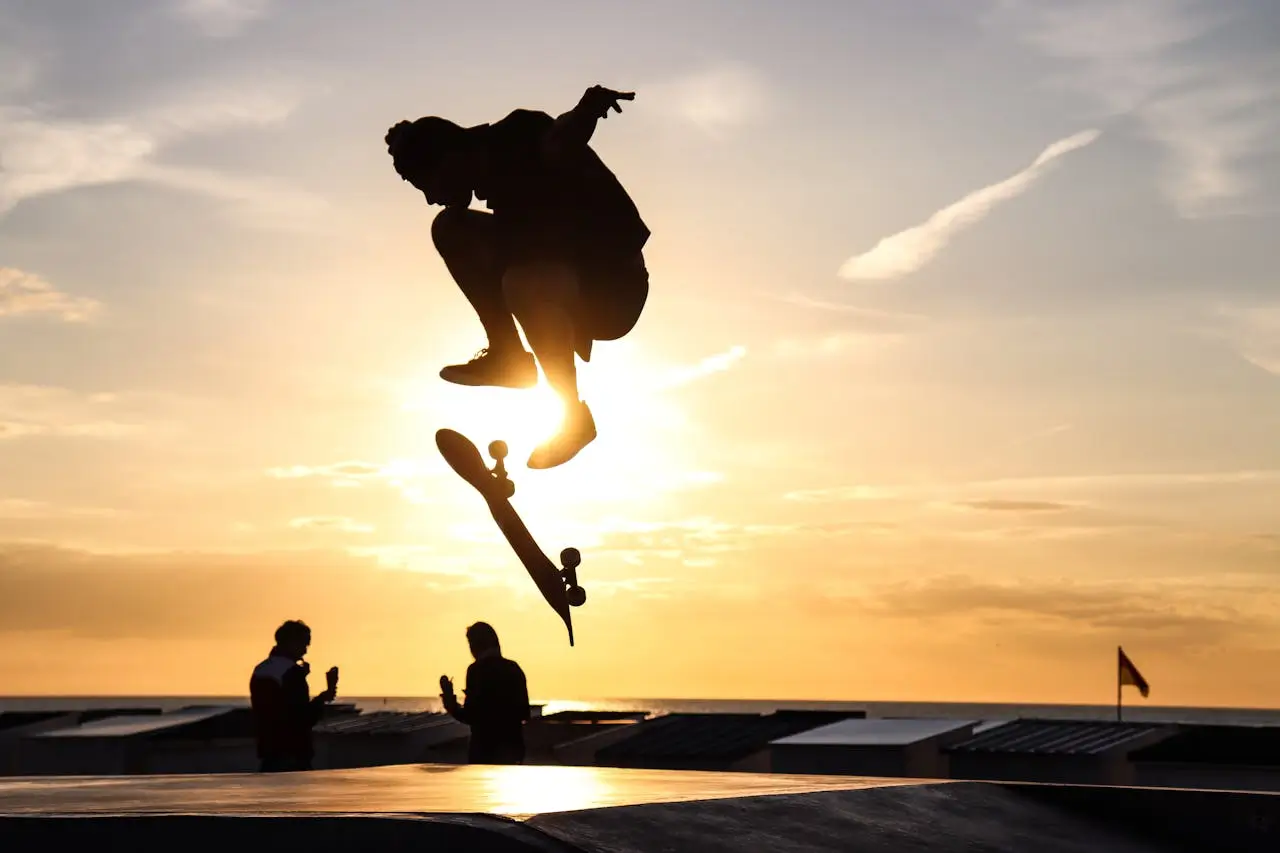
Skateboarding in your 30s comes with a different mindset than when you were younger. The obsession with tricks fades, replaced by enjoyment, balance, and doing it purely as a hobby. Many skaters returning in their 30’s say the experience feels more rewarding, less pressured, and surprisingly sustainable.
Skateboarding as a Hobby, Not a Competition
In your 30s, skateboarding often becomes less about proving ability and more about enjoyment. Without the pressure of peers or social validation, the focus shifts to cruising, balance, and feeling comfortable on the board. This approach makes the hobby easier to maintain over time.
Many skaters find that letting go of competition reduces frustration and injury risk. Progress still happens, but it’s measured personally rather than against others, which makes skateboarding feel rewarding instead of demanding.
Why Skateboard Culture Fits Your 30’s Lifestyle
Skateboard culture has evolved alongside its original generation. What once centered on youth and rebellion now includes adults balancing work, family, and personal time. Skating fits neatly into short sessions before work, on weekends, or as a quick mental reset.
The culture also feels more inclusive. Parks and communities today are more welcoming to casual and returning skaters, making it easier to jump back in without feeling out of place or behind.
What Changes When You Skate in Your 30s
Physical awareness becomes sharper in your 30s. Warm-ups matter, recovery matters, and listening to your body becomes part of the routine. This awareness often leads to cleaner technique and smarter skating.
There’s also a mindset shift. Instead of chasing speed or risk, many skaters prioritize control and consistency. That change can actually improve confidence and make sessions more satisfying.
The Mental and Physical Benefits of Returning
Skateboarding offers a rare mix of focus and freedom. Mentally, it forces presence—your attention stays on balance, movement, and surroundings. That break from screens and constant input can reduce stress and improve mood.
Physically, skating builds coordination, core strength, and endurance. Even light sessions provide meaningful movement, making it a practical way to stay active without committing to structured workouts.
A Broader Trend: Adults Reclaiming Old Hobbies
Skateboarding isn’t the only hobby adults are rediscovering. Many people in their 30s are returning to activities they loved earlier in life as a way to reconnect with themselves. These hobbies offer familiarity without obligation.
This trend reflects a wider shift toward intentional leisure. Instead of chasing productivity, adults are choosing hobbies that bring joy, balance, and long-term well-being—skateboarding fits perfectly into that mindset.
Tags:
skateboarding, skateboard, hobbies, lifestyle, 30s