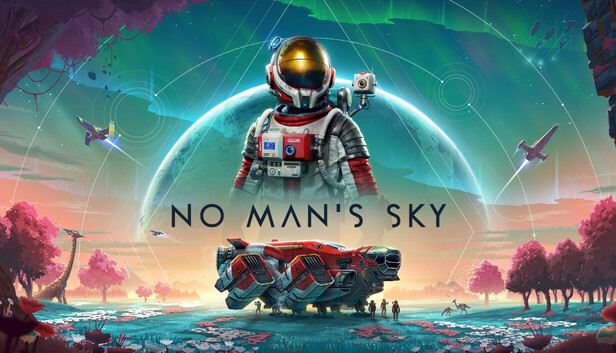


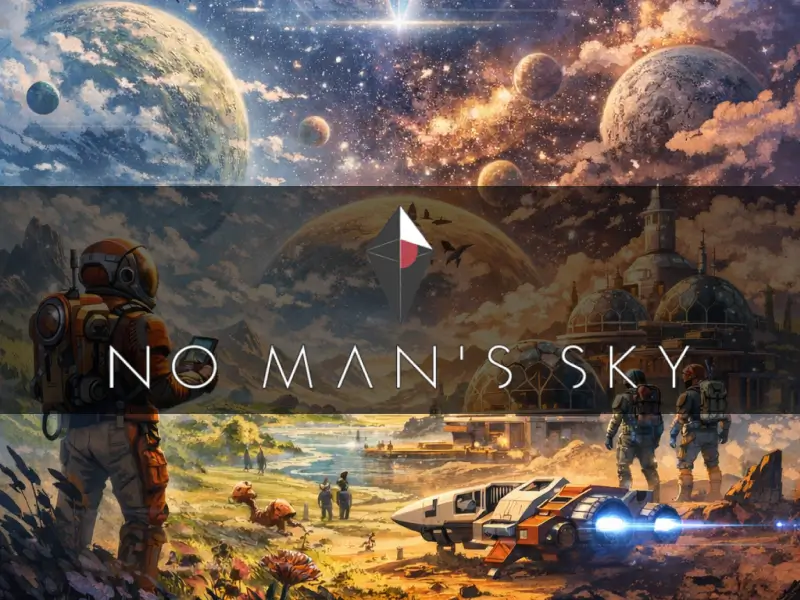
It’s been over half a decade since No Man’s Sky first landed in the hands of players, and the dust of launch-day controversy has long since settled. What remains is a game that, at its core, dares to imagine a universe without boundaries—a vast, procedurally generated cosmos that players can explore at their own pace. In 2026, when so many titles compete for attention with cinematic storytelling and curated experiences, No Man’s Sky feels almost philosophical: a meditation on scale, curiosity, and the patience required to truly inhabit a digital universe.
This re-evaluation is not about nostalgia or defending past promises. It’s about clarity: why No Man’s Sky still matters today, how its systems and design decisions have aged, and whether it offers value to new players in an era of refined open-world games.
What Is No Man’s Sky?
Developed by Hello Games, No Man’s Sky is a science-fiction exploration game that falls within the broader genre of open-world, survival-focused space simulators. Its initial promise was simple yet audacious: players would have access to an entire universe, procedurally generated, with billions of planets, each hosting unique flora, fauna, and resources. Over time, it has grown into something more structured yet still extraordinarily vast.
At its core, No Man’s Sky is about exploration, discovery, and incremental growth. Players start with a modest starship and a basic survival toolkit, then gradually expand into interstellar travel, planetary colonization, and advanced technology crafting. Unlike linear space games, it imposes few boundaries, allowing a mix of sandbox creativity and structured objectives.
Key Features:
- Combat style: Primarily ship-based combat with some planetary skirmishes; more defensive than aggressive, emphasizing tactical resource management.
- Progression systems: Mining, crafting, trading, and technological upgrades form a layered progression loop.
- Narrative focus: A subtle story about the Atlas, sentient machines, and the meaning of exploration. Not a heavily scripted narrative, but one that rewards curiosity.
- Multiplayer/Co-op: Seamless online interaction with friends and strangers, now supporting fleet building and base sharing.
- Visual and technical highlights: Vibrant procedural planets, dynamic weather systems, and the illusion of an infinite universe.
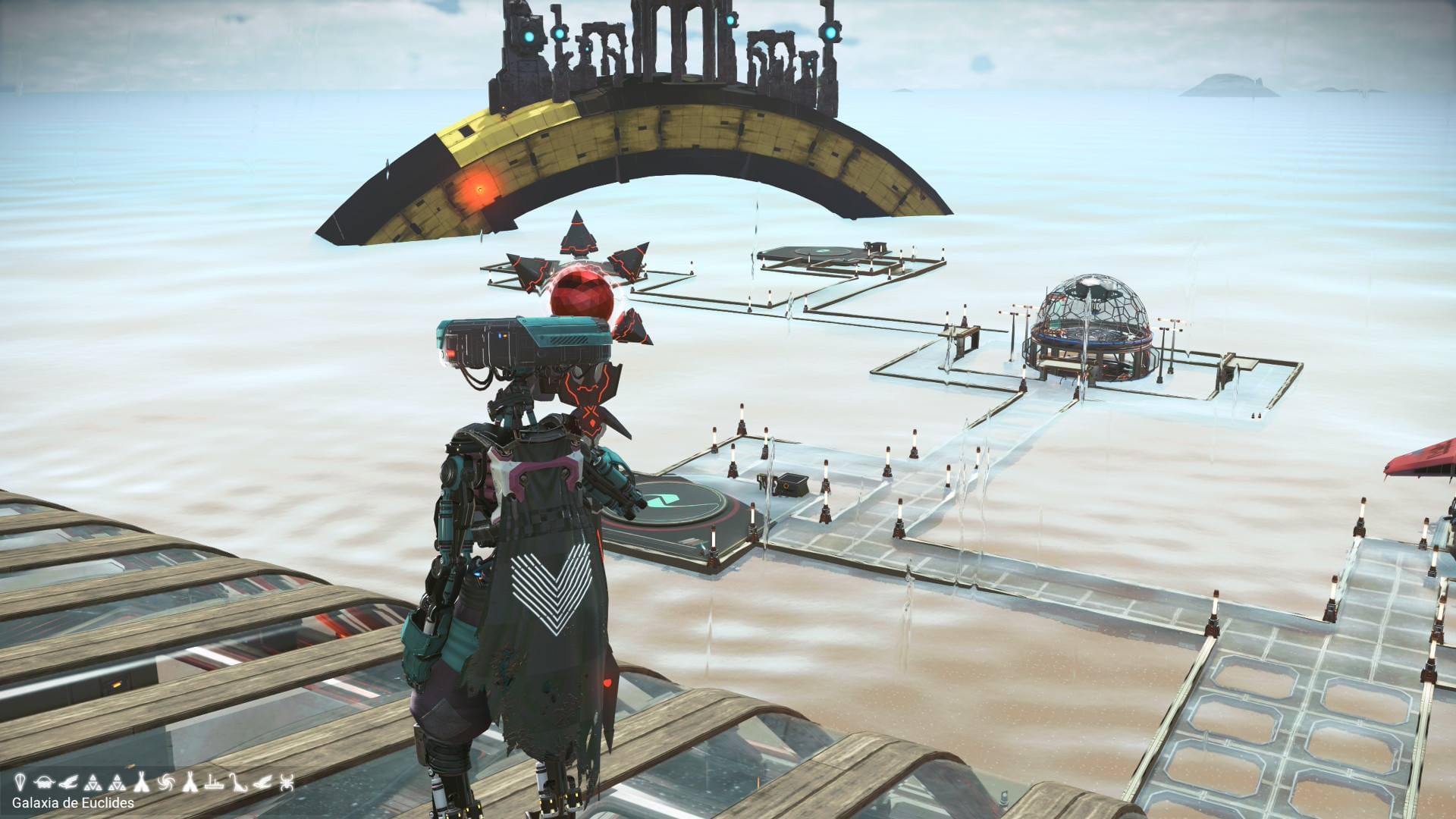
No Man’s Sky Gameplay Mechanics: Combat, Progression, and Systems
The heart of No Man’s Sky lies in its gameplay mechanics. The loop is deceptively simple: explore planets, gather resources, craft upgrades, and reach new star systems. Yet within this simplicity lies an elegance that few games attempt.
Exploration: Each planet offers a different biome, gravity, weather pattern, and wildlife ecosystem. The procedural generation ensures no two worlds feel identical, though repetition can creep in after hundreds of hours. Planetary exploration is slow but deliberate, rewarding players who take the time to catalog species or harvest rare materials.
Combat System: No Man’s Sky combat is understated but functional. Ship combat emphasizes maneuvering and resource management rather than flashy firefights. Ground combat introduces a mix of hazard avoidance, sentinel encounters, and environmental threats. The combat system never overshadows exploration—it complements it, maintaining a steady pace that encourages thoughtful play.
Progression and Crafting: Crafting and technology upgrades are central to player agency. The progression system is non-linear: a player may prioritize upgrading a starship, building bases, or mastering exocraft exploration. This layered progression makes each playthrough feel personal and adaptive.
Overall, No Man’s Sky gameplay mechanics age well because they reward patience, curiosity, and self-directed goals. Its systems are complex without being overwhelming, and each mechanic supports the larger vision of a living, explorable universe.
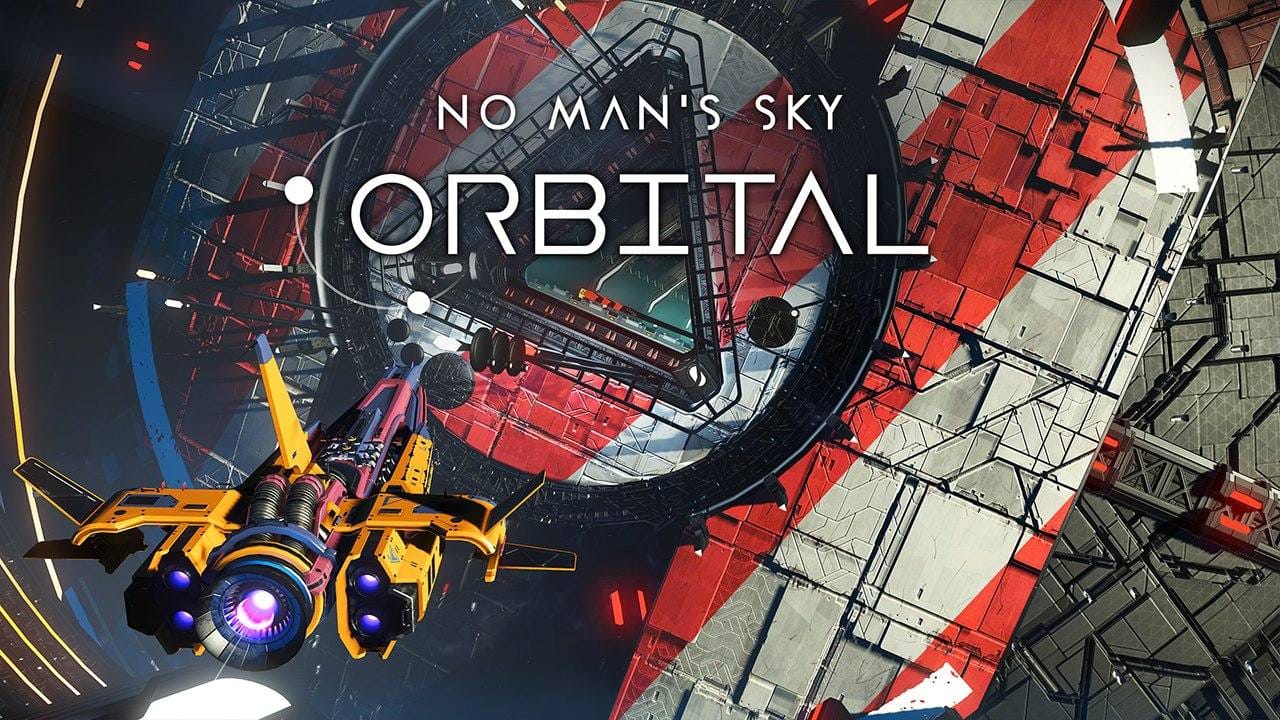
Story and Lore: Does It Hold Up?
When No Man’s Sky launched, its narrative was considered abstract at best. Years later, the story and lore hold up because they embrace subtlety over exposition. The Atlas, the mysterious sentinel machines, and the occasional monoliths all hint at a deeper mythology without forcing players into scripted moments.
For lore-focused players, there’s a reward in piecing together scattered narratives, discovering abandoned planetary structures, or interpreting alien languages. The procedural nature of the game ensures that lore is woven into the universe itself, rather than handed to players on a platter.
In essence, the No Man’s Sky story and lore prioritize environmental storytelling and player interpretation, which remains rare in a market often dominated by cinematic exposition. This abstract approach may not satisfy traditional story-driven players, but for those who appreciate emergent narratives, it is timeless.
No Man’s Sky Multiplayer Review
Multiplayer is no longer a tacked-on feature; it is integral to the No Man’s Sky experience. Players can meet, collaborate, or even establish planetary colonies together. Fleet missions and shared base-building expand the sense of community without forcing players into constant online interaction.
The No Man’s Sky multiplayer review reveals a system that balances freedom with subtle social engagement. There is no aggressive matchmaking pressure, no rigid co-op hierarchy—just opportunities to collaborate and explore. Community activity persists through regular updates and seasonal events, sustaining engagement even years after release.
Is No Man’s Sky Worth Playing in 2026?
The question many ask: is No Man’s Sky worth playing today? The answer is nuanced. Modern players accustomed to tight narrative arcs or highly curated open worlds may initially find the procedural nature daunting. However, for those who seek exploration, self-directed goals, and a sense of scale few games can match, it remains compelling.
Compared to newer titles, No Man’s Sky may lack cinematic polish, but it offers freedom and emergent gameplay impossible to replicate. Its continuous updates over the years have expanded content and improved quality-of-life systems, ensuring that it is not stuck in its 2016 launch mindset. The value proposition is clear: if you crave a digital universe to explore, one that adapts to your curiosity and patience, it is worth investing time in.
Conclusion: The Enduring Significance of No Man’s Sky
No Man’s Sky endures because it dares to be infinite. It represents an idea in modern gaming culture that scale, curiosity, and player agency can be as compelling as story and spectacle. Its systems have aged gracefully, its lore rewards patience, and its multiplayer offers subtle, meaningful interactions.
In 2026, it is a reminder that games do not need to be linear or cinematic to be culturally relevant. They can be experiences that expand the imagination and invite introspection. Players who value exploration, creative freedom, and emergent storytelling will still find No Man’s Sky a universe worth entering—and a quiet but enduring landmark in the history of gaming.