NASA Is Backing a Giant Moon Rover — And It’s Nothing Like Anything We’ve Sent Before
This isn’t a sci-fi concept. It’s real hardware, real contracts, and a sign that lunar exploration is about to change fast.
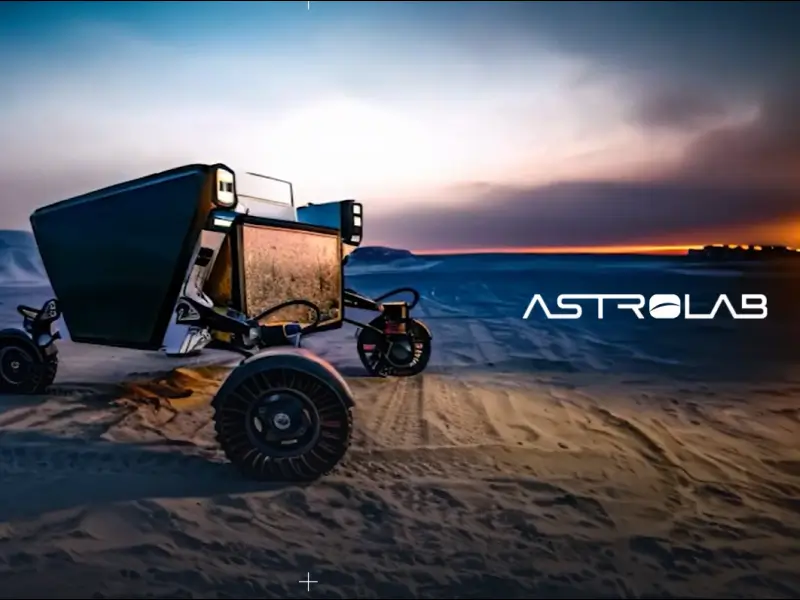
A private space company called Astrolab is building what could become the largest and most capable rover ever designed for the Moon and NASA isn’t just interested. They’re planning missions around it.
Why the Moon Is About to Get Crowded
For decades, Moon missions were short, isolated, and experimental. Today, the goal is very different:
- Permanent lunar presence
- Repeated missions
- Long-term surface operations
That shift creates a new problem: how do you move people, tools, and equipment across the Moon efficiently?
Astrolab thinks it has the answer.
Source: Astrolab — About
https://www.astrolab.space/about/
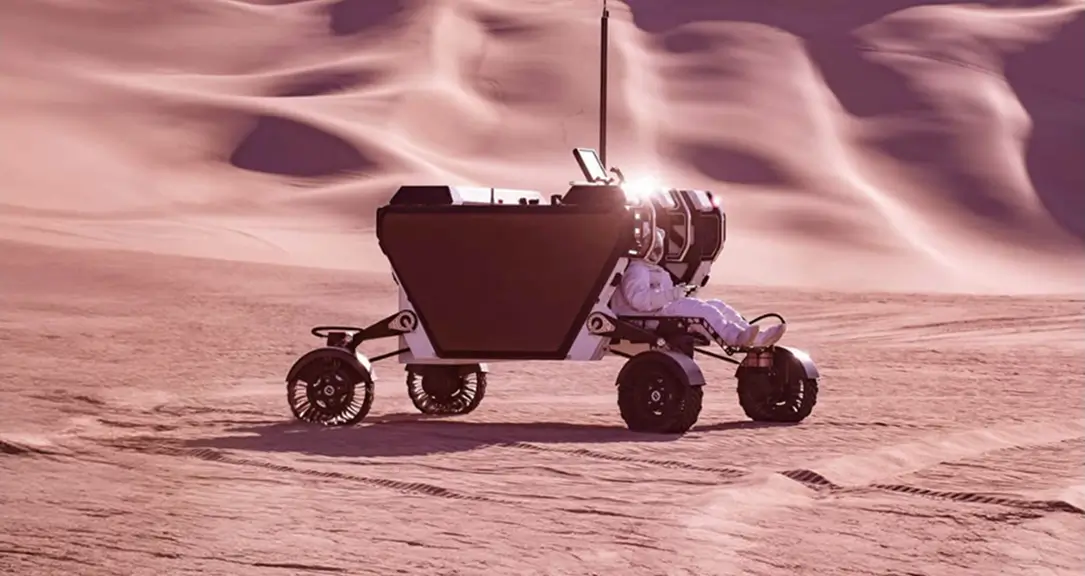
Meet FLEX: The Moon’s First Real Work Vehicle
Astrolab’s flagship project is called FLEX — short for Flexible Logistics and Exploration Rover.
Unlike traditional lunar rovers built for narrow science tasks, FLEX is designed like a multi-purpose vehicle.
What makes FLEX different?
- High payload capacity — built to haul real cargo
- Modular platform — different tools for different missions
- Astronaut-compatible — designed to support crewed exploration
- Engineered for repeat use, not one-off missions
In simple terms: FLEX isn’t just exploring the Moon.
It’s meant to work there.
NASA’s Billion-Dollar Vote of Confidence
Astrolab isn’t pitching ideas — they’re executing.
NASA selected the company as part of its Lunar Terrain Vehicle (LTV) program, a cornerstone of the Artemis missions. The contract could reach $1.9 billion.
That decision signals something important:
NASA expects lunar surface travel to become routine, not rare.
And when that happens, reliable mobility matters more than ever.
A Bigger Shift in Space Exploration
Astrolab’s rise reflects a broader transformation happening right now:
- Space infrastructure is moving into private hands
- Robots are being built to prepare environments for humans
- Exploration is shifting from missions to systems
Instead of sending astronauts first, the future looks like this:
Robots scout. Robots build. Humans arrive later — safer and better prepared.
Why This Matters More Than It Sounds
The Moon is becoming a testbed for deeper space exploration.
If humans ever build permanent bases on Mars, they’ll likely follow the same playbook:
- autonomous vehicles
- modular logistics
- long-duration surface operations
Astrolab’s rovers could help define how that future works.
Source:
Astrolab — About
https://www.astrolab.space/about/