
Lobotomy: A Dark Chapter in the History of Mental Health
Lobotomy reshaped modern psychology before becoming a medical cautionary tale. Here’s how it rose, fell, and still influences mental health care today.
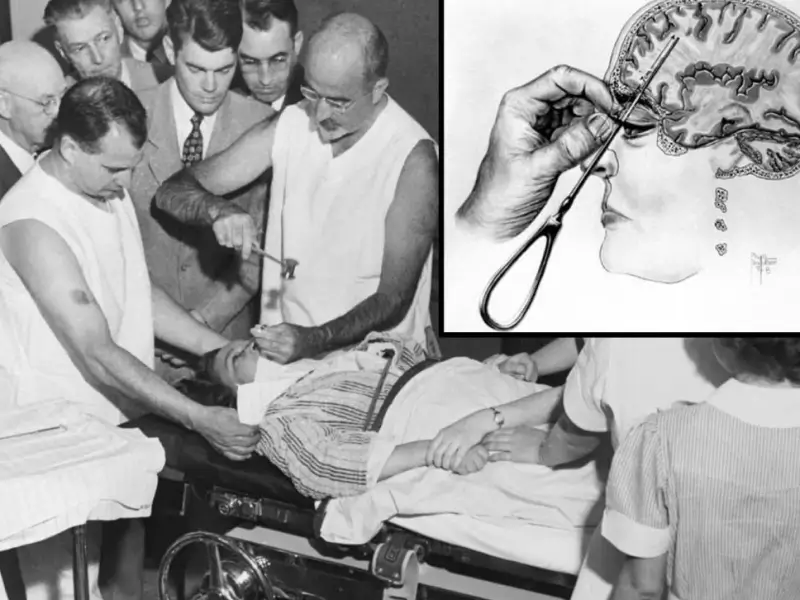
Lobotomy was once promoted as a groundbreaking treatment for severe mental illness, hailed by doctors and governments alike. Within just a few decades, it went from medical miracle to ethical disaster. This strange rise and sudden fall reveals how desperation, authority, and limited science combined to reshape and often ruin countless lives.
The history behind lobotomy
Originally developed in the early 20th century, lobotomy involved severing connections in the brain’s frontal lobes. It spread rapidly through Europe and the United States, often bypassing rigorous clinical testing.
Lobotomy as a psychological treatment
Doctors believed the procedure could calm patients with schizophrenia, depression, or anxiety. In reality, outcomes ranged from emotional blunting to permanent disability — with little understanding of why.
Why lobotomy mattered to modern psychology
The widespread use of lobotomy exposed deep flaws in early psychiatric practice. It forced the medical community to confront ethics, informed consent, and the dangers of authority-driven treatment.
Key facts about the procedure and its impact
- Performed on tens of thousands of patients
- Often conducted without patient consent
- Popularized due to speed and low cost
- Many patients lost personality, autonomy, or cognitive function
From lobotomy to modern mental health care
The collapse of lobotomy coincided with the rise of psychopharmacology and evidence-based treatment. Its legacy still shapes debates around experimental therapies and patient rights today.
Lobotomy remains a reminder that medical progress without ethical guardrails can cause irreversible harm. While modern psychology has moved forward, this history continues to influence how new treatments are evaluated, regulated, and questioned.
Tags: psychology, medical-history, neuroscience, mental-health, ethics