
The live-service battlefield just claimed another casualty.
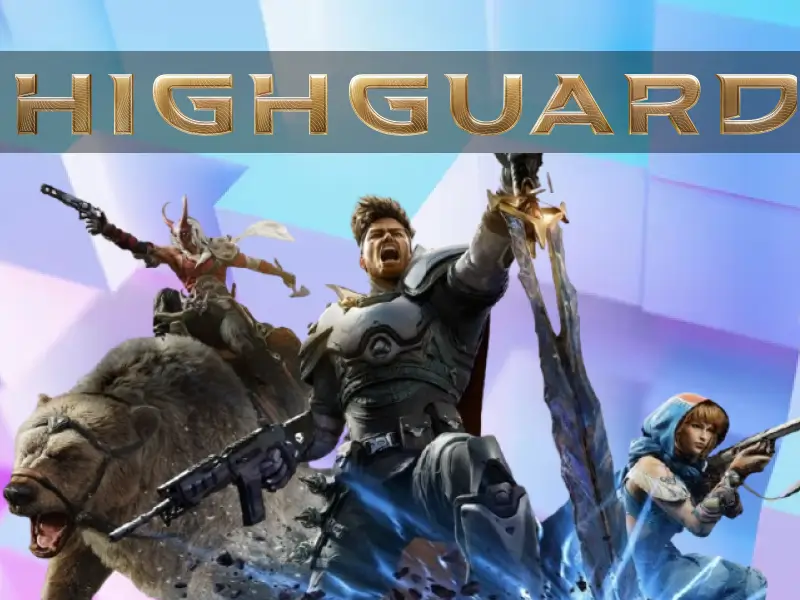
Highguard, the fast-paced multiplayer shooter from Wildlight Entertainment is officially shutting down just 45 days after launch. What was once positioned as a bold new contender in the competitive shooter space has now become one of the fastest live-service collapses in recent memory.
From Launch Hype to Shutdown Notice
When Highguard launched in late January 2026, it had all the right ingredients:
- Veteran developers
- A high-energy reveal
- Multi-platform availability
- A free-to-play entry point
Early curiosity drove millions to try the game. But in the live-service world, launch numbers don’t matter retention does.
Within weeks, player counts dropped sharply. Matchmaking slowed. Community buzz faded. And behind the scenes, warning signs began to surface.
The Official Statement
In a public announcement, Wildlight confirmed servers will go offline on March 12, 2026, stating:
“Despite the passion and hard work of our team, we have not been able to build a sustainable player base to support the game long term.”
In an unexpected twist, the studio is releasing one final update before shutdown adding new progression systems, skill trees, a Warden, and a weapon. It’s a rare move: shipping fresh content for a game that already has an expiration date.
What Went Wrong?
The fall of Highguard highlights a brutal reality in modern gaming:
1. The Live-Service Arena Is Oversaturated
Players are already deeply invested in long-term ecosystems. Breaking into that space requires more than solid gameplay it requires a compelling reason to switch.
2. Retention > Hype
Initial downloads reportedly reached into the millions. But daily active users fell fast, and momentum never stabilized.
3. Differentiation Is Critical
In a market dominated by established giants, new shooters must clearly define what makes them indispensable. Many critics argued Highguard struggled to stand apart.
A Growing Trend
Highguard’s rapid shutdown joins a growing list of ambitious live-service experiments that burned bright and disappeared even faster. The modern multiplayer economy is unforgiving. Development cycles are long. Marketing budgets are massive. But if engagement dips early, recovery windows are brutally short.
For studios and investors alike, this is another reminder: launch day is just the beginning.
The Bigger Question
If a well-funded, professionally built shooter can collapse in 45 days, what does that mean for upcoming multiplayer projects?
The bar isn’t just high it’s constantly moving.
And for Highguard, time simply ran out.