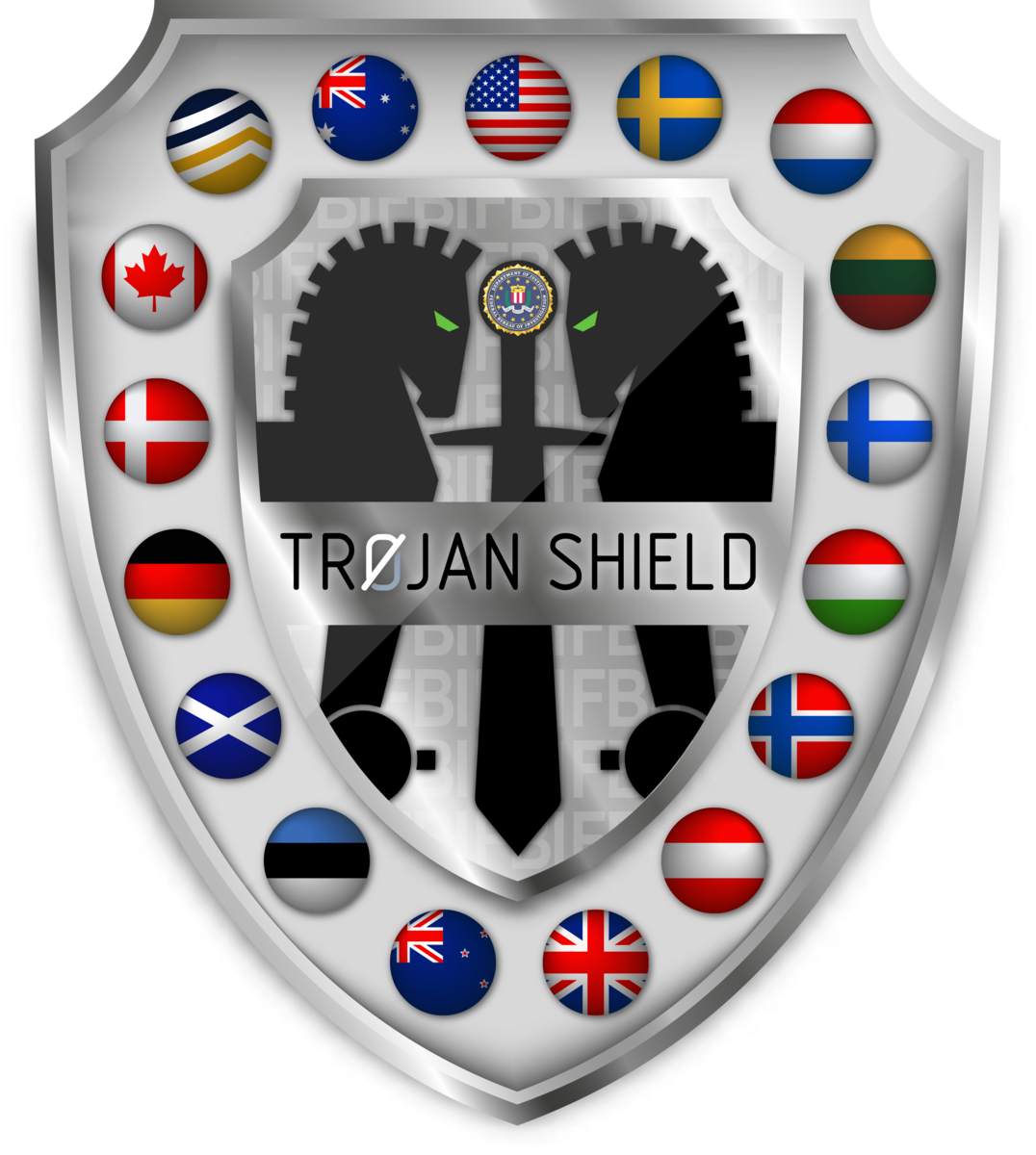



When police around the world announced the results of Operation Trojan Shield, the numbers sounded like the aftermath of a cartel war: hundreds of arrests, tons of drugs seized, and criminal networks quietly collapsing. What they didn’t say out loud but documents later made impossible to ignore is that the entire operation depended on a phone platform that was never truly real.
ANOM wasn’t an underground technology. It wasn’t a privacy tool. It wasn’t even especially advanced. It was a law-enforcement-built communication network, distributed through criminal intermediaries who had no idea they were promoting a surveillance system.
A Manufactured Black Market
Encrypted phone markets have always operated in the shadows cash payments, modified Android devices, stripped-down OS builds. But after high-profile takedowns of EncroChat and Phantom Secure, demand surged. That demand created a vacuum, and ANOM appeared exactly when the market was the most vulnerable.
The phones were intentionally bare:
- No browser
- No app ecosystem
- Hidden messaging client behind a calculator
- A “secure” network that routed everything through servers the FBI controlled
There was no real privacy design just the illusion of one.
The Network That Watched Itself
Internal filings show that ANOM pushed a near-real-time copy of every message, image, and file directly to investigators. This wasn’t passive metadata logging. It was active, persistent visibility into live criminal activity: drug shipments, planned violence, money laundering routes, and inter-group negotiations.
Criminal groups trusted ANOM because earlier encrypted networks actually were secure. The industry’s collapse after EncroChat created a sense of urgency. ANOM exploited that urgency.
The Day Everything Collapsed
By the time global raids started in 2021, ANOM had reached more than 100 countries. The resulting seizures cash, drugs, weapons were large, but they also exposed something deeper: law enforcement had effectively operated a covert tech platform inside the criminal economy for years.
ANOM wasn’t a system that got infiltrated. It was a system designed to be infiltrated.
Why the Story Matters Now
ANOM remains a case study in the limits of trust, especially in closed crypto systems. Criminals weren’t the only ones fooled; cybersecurity researchers initially treated ANOM as just another encrypted-phone brand until details surfaced through court documents.
The operation leaves unresolved questions:
- What happens when law-enforcement agencies run their own hardware ecosystems?
- How much surveillance is justified by the results?
- And who gets caught in the blast radius when a platform is secretly built around visibility instead of safety?
ANOM wasn’t just a sting. It was a reminder that the appearance of security is often more powerful and more dangerous than the technology behind it.
RESOURCES:

 Contributors to Wikimedia projects