

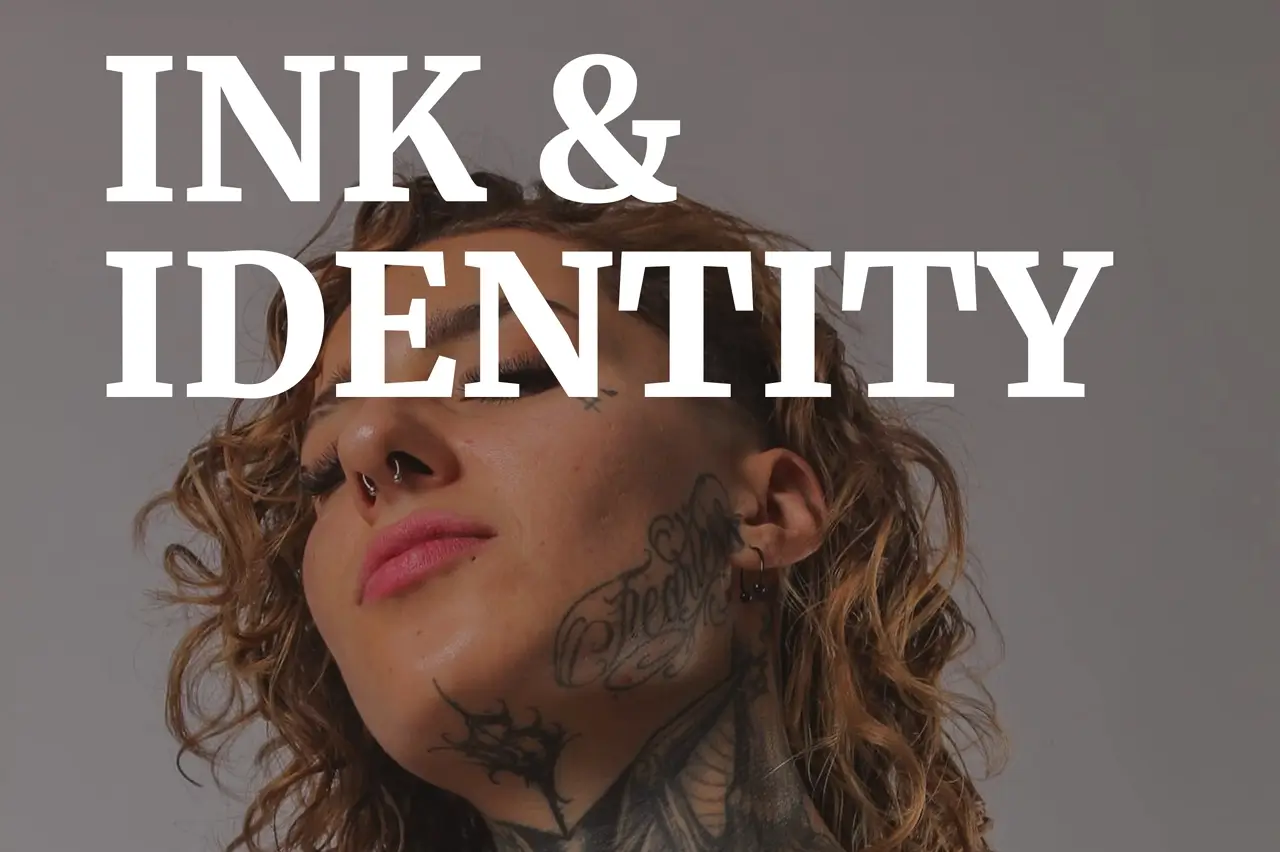
We don’t talk enough about the strange moment when you look at an old tattoo and realize it doesn’t match the person you are anymore. Not exactly. Not even close. It’s like finding an old photo of yourself wearing clothes you can’t believe you thought were cool. Except this one is printed on you. Permanently. A lifetime subscription to your past self.
But here’s the truth nobody posts about:
That mismatch is the point.
Old tattoos aren’t mistakes they’re markers.
They’re timestamps.
They’re receipts from psychological checkpoints you passed through and survived.
The butterfly you got at 18 wasn’t about the butterfly. It was about wanting to feel free for the first time.
The initials you covered later weren’t just a breakup. They were you learning the difference between attachment and identity.
The messy, crooked linework done in someone’s cousin’s apartment? That was the phase when you had more bravery than budget and both mattered.
People say “you’ll regret it when you’re older,” like future-you will be born with no connection to who you are now. But tattoos don’t lock you into a version of yourself they archive them. They’re the only art you carry into every decade, every move, every reinvention.
You don’t regret the past.
You remember it.
And memory is a resource, not a flaw.
We lose so much of ourselves over time old dreams, old fears, old versions of our voice. Tattoos keep track. They’re a visual autobiography written in chapters you can’t go back and edit. But maybe that’s why they matter:
They remind you who you were, so you can see clearly who you’ve become.
Old tattoos age.
Old tattoos fade.
But old tattoos don’t lie.
They don’t ask you to be proud of your past just to acknowledge it.
Every line is a breadcrumb, leading back to the people you loved, the beliefs you held, the chaos you survived, the versions of yourself you’ll never be again. And when you look at them long enough, you realize something almost comforting:
You didn’t outgrow the tattoo.
You outgrew the person who needed it.
And that’s not regret.
That’s evolution.