
Flying Car Enters Production as Future Mobility Takes Shape
Flying cars are moving from concept to reality as the world’s first production model promises to lift commuters above traffic.
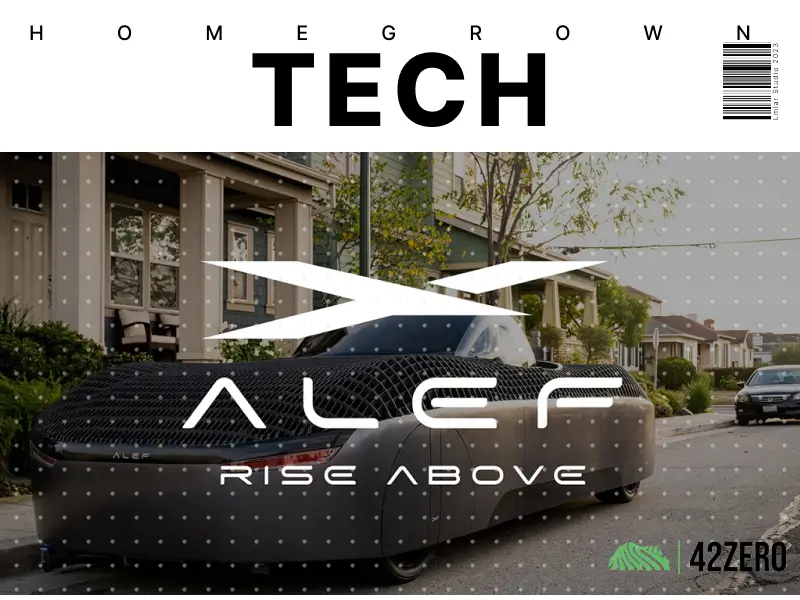
Flying cars are no longer confined to sci-fi films. A newly announced production-ready flying vehicle is bringing the long-promised future of personal air mobility closer to everyday reality. With a six-figure price tag and dual road-air capability, this launch marks a major shift in how cities may handle congestion.
Flying cars move from concept to production
The vehicle has officially entered production, transitioning flying cars from experimental prototypes to commercial products. Designed to drive on roads and take off when needed, it represents a milestone for advanced mobility startups.
Why flying transport matters for future cities
Urban congestion continues to worsen worldwide. Flying cars offer a potential workaround by using airspace rather than packed roads, especially for short intercity or suburban trips.
Key features shaping the flying car future
Unlike helicopters, these vehicles aim to be compact, semi-autonomous, and road-legal. Safety systems, folding wings, and hybrid propulsion are central to making flying cars practical rather than niche.
How this compares to other future mobility projects
While electric vehicles and autonomous cars dominate headlines, flying cars sit at the intersection of aviation and automotive innovation. Compared to air taxis, personal flying cars focus more on individual ownership than fleet services.
What this means for the future of transportation
Widespread adoption is still years away due to regulation and infrastructure challenges. However, production signals that flying cars are evolving from bold ideas into a real, if limited, transportation option.
 Alef Aeronautics Inc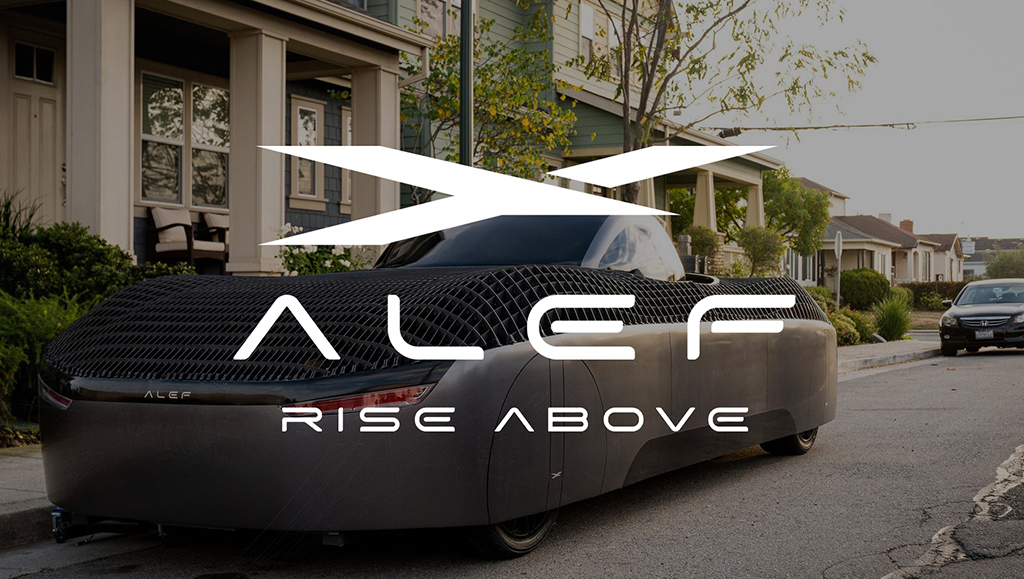
Tags:
flying-cars, future-transport, mobility-tech, aviation, emerging-tech