

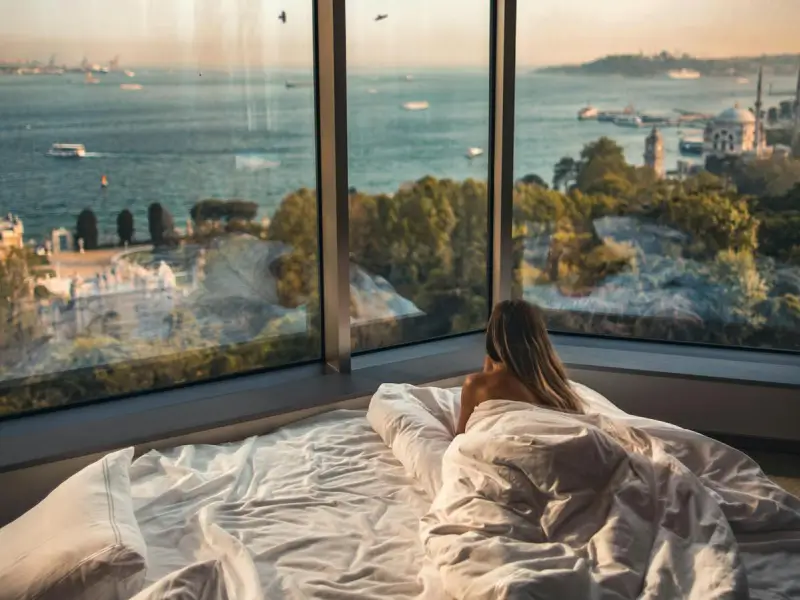
We’re talking about a living space with no couch… no chairs… not even a coffee table. Just open floor, light, purpose, and intention. In her video about life without furniture a radical form of minimalism she shows exactly what it’s like to live with almost nothing at all. (Note: original video unavailable for transcript fetch, but the lifestyle depicted aligns closely with extreme minimalist trends documented online.)
Why Go Furniture-Free?
For most people, furniture serves comfort and function. But for extreme minimalists, it can represent distraction, attachment, and “stuff” that takes energy rather than gives it. Some practitioners of this lifestyle say living without bulky pieces…
- Creates more usable space especially valuable in smaller homes.
- Reduces stress and visual clutter.
- Helps understand what truly matters experiences, people, purpose over possessions.
Unlike traditional minimalism which might still include a sofa or bed extreme minimalism goes further: often leaving only the essentials needed to eat, rest, and move.
What Does a Furniture-Free Home Look Like?
Imagine entering a room that feels bigger than it really is. Gentle sunlight flows across the floor. A cushion or thin mattress sits in a corner not because it’s trendy, but because it’s enough. A plant, a notebook, a quiet place to reflect that’s it.
This isn’t bare for the sake of austere design. It’s intentional space, a canvas for life rather than a showroom of things.
Minimalists who choose this path often replace traditional furniture with:
- Floor seating or cushions
- Low mats for sleeping
- Foldable accessories used only when necessary
- Open space for movement, meditation, or work on the floor
This style draws inspiration from cultures like traditional Korean homes without Western furniture where floor living is natural and comfortable.
The Unexpected Upsides
Beyond the visual simplicity, there are deeper benefits people in this movement describe:
1. Freedom From Consumer Culture
Living without furniture makes the constant cycle of buying, upgrading, and accumulating less relevant. When you have less, there’s simply less to maintain, replace, or stress about.
2. More Mental Breathing Room
Decluttering space often leads to decluttering mind clarity, focus, calm especially in an age overloaded with notifications and noise.
3. A Reminder of What Matters Most
Without objects filling your life, relationships, creativity, rest, and presence take center stage not the volume of your possessions.
Is Extreme Minimalism for Everyone?
Not necessarily. Many people find value in balancing comfort with simplicity, keeping a sofa or desk while still limiting clutter. But the deeper insight from this furniture-free lifestyle isn’t about how few things you own it’s about how intentionally you choose them.
Minimalism is a spectrum. For some, it’s removing excess furniture. For others, it’s rethinking what objects we think we need versus what truly serves us.