Exploring the Future of Space Robotics: Insights from OffWorld AI
From AI-driven multi-robot swarms to scalable autonomous systems, learn how technology is expanding human potential on Earth and beyond.
The field of space robotics and autonomous systems is evolving rapidly, reshaping how humans explore and work in extraterrestrial environments. This post highlights key innovations, challenges, and trends, with insights from OffWorld AI and other leading organizations. By connecting these ideas, readers can see how space robotics is impacting industries from planetary exploration to autonomous technology on Earth.
How OffWorld AI is Redefining Autonomous Space Missions
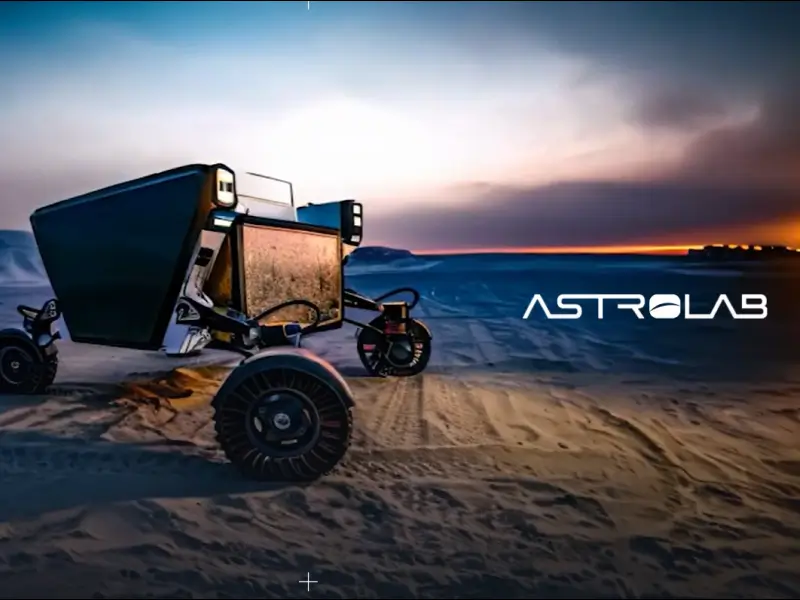
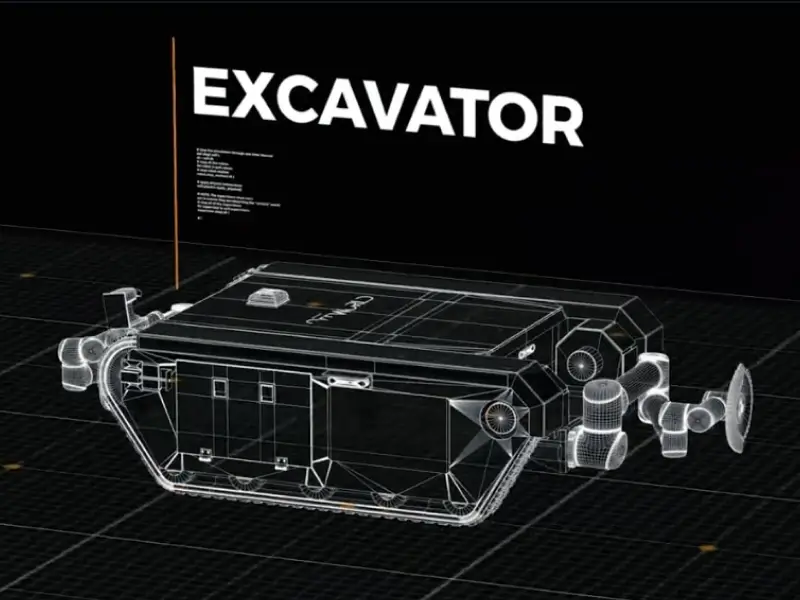
OffWorld AI is pioneering autonomous robotic solutions designed for off-world operations. Their focus is on efficiency, scalability, and adaptability in challenging environments. Some highlights include:
- Multi-Robot Swarms: OffWorld builds fleets of robots that collaborate to complete tasks, boosting productivity while reducing human labor in hazardous conditions.
- AI-Driven Autonomy: Robots use advanced machine learning to make real-time decisions, navigating unpredictable terrains on Earth and potentially on the Moon or Mars.
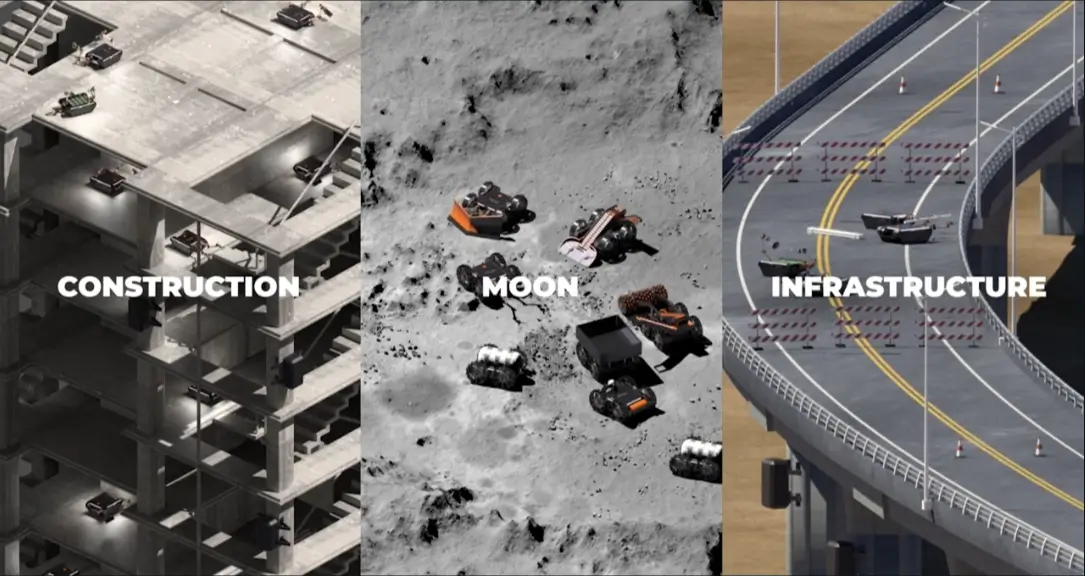
- Industrial Applications: Beyond space, these technologies have potential in mining, construction, and logistics.
- Scalable Operations: Systems are designed to scale from small exploratory missions to full-scale planetary projects.
For more details, visit OffWorld AI’s official page.
How Space Robotics is Evolving
While OffWorld focuses on swarms, the wider industry is moving in complementary directions:
- AI Integration: Companies are embedding AI into robots to enable autonomous decision-making in real time.
- Remote Operations: Hybrid systems allow humans to control robots remotely, improving precision and safety.
- Commercial Expansion: Space robotics is increasingly applied in mining, construction, and logistics—beyond traditional exploration.
- Sustainability: Designers are prioritizing energy-efficient robots and low-impact technologies for long missions.
These trends show that autonomous robotics is moving from research experiments to practical, scalable solutions with real-world benefits.
What Makes OffWorld AI Unique Among Space Robotics Teams
Looking across multiple space robotics initiatives reveals both common themes and distinctions:
- Shared Priorities: Most organizations emphasize autonomous capabilities, AI integration, and collaborative robotics.
- Unique Focus Areas: While OffWorld AI emphasizes large‑scale robotic swarms, others may concentrate on precision robotics for delicate tasks or specialized exploration goals.
- Future Potential: The continued rise of multi‑robot systems suggests a future where autonomous robots support both Earth‑based industries and deep‑space operations.
What Lies Ahead for Robotics
The evolution of autonomous space robotics represents more than technological progress in exploration it’s reshaping how humans collaborate with machines across industries. Systems like those from OffWorld AI could:
- Reduce Human Risk: By handling hazardous environments, robots can protect human workers.
- Boost Productivity: Autonomous systems promise more efficient operations, from space missions to terrestrial industries.
- Enable New Possibilities: As robotics technology becomes more scalable and intelligent, it opens doors to applications once considered impractical.
As space exploration and robotics continue to converge, staying informed about these innovations is essential for enthusiasts, investors, and professionals alike.