

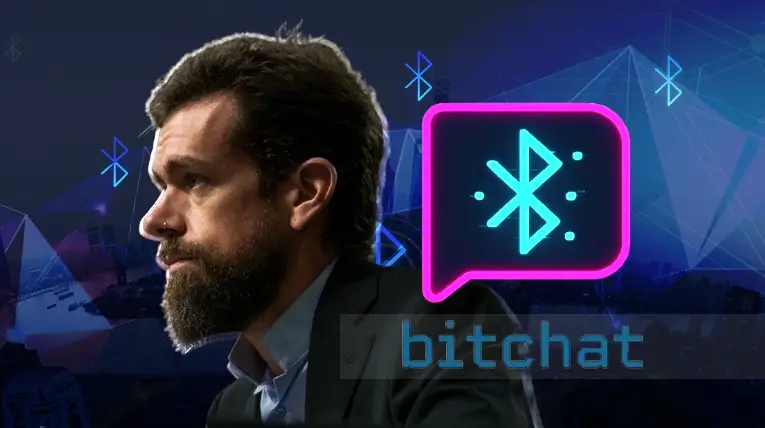
Bitchat is a low-key but intriguing messaging concept connected to Jack Dorsey, best known as the co-founder of Twitter. Unlike mainstream chat apps, Bitchat explores Bluetooth-based communication, raising questions about privacy, decentralization, and how people might message without relying on the internet.
What is Bitchat and how does it work
Bitchat is an experimental messaging concept that uses Bluetooth instead of traditional internet connections. Rather than routing messages through centralized servers, it allows nearby devices to communicate directly within Bluetooth range.
This approach means messages can be exchanged without Wi-Fi, mobile data, or cloud infrastructure. While still early and limited in scope, the idea highlights how local, device-to-device communication could work in real-world scenarios.
Why Jack Dorsey is experimenting beyond Twitter
Jack Dorsey has long shown interest in decentralization and alternative communication systems beyond mainstream platforms like Twitter. Projects and experiments linked to him often explore ways to reduce reliance on centralized control.
Bitchat fits into that pattern. It reflects ongoing curiosity around privacy-first tools, open protocols, and communication methods that operate independently of large platforms and networks.
Key features: Bluetooth, offline messaging, and privacy
The most notable feature of Bitchat is its reliance on Bluetooth for message delivery. This enables short-range communication even when devices are offline or disconnected from the internet.
From a privacy standpoint, local Bluetooth messaging can reduce exposure to data collection and server-side logging. However, limitations such as range, speed, and scalability remain key challenges for broader adoption.
How Bitchat compares to existing messaging apps
Most popular messaging apps depend on centralized servers and constant internet access. In contrast, Bitchat focuses on proximity-based communication, making it fundamentally different in both use case and design.
While it cannot replace full-featured chat platforms, it serves as a proof of concept. Similar ideas have appeared in disaster-response tools and peer-to-peer apps where connectivity is unreliable.
The broader trend toward decentralized communication
Bitchat aligns with a growing interest in decentralized and peer-to-peer technologies. From blockchain-based messaging to mesh networks, developers are exploring alternatives to traditional communication models.
These experiments suggest a future where users have more control over how and where their messages travel. Whether Bitchat evolves further or not, it contributes to a wider conversation about resilience, privacy, and independence in digital communication.
Tags: bitchat, jack-dorsey, twitter, bluetooth-tech, messaging-apps